Gujiya History
Historical references suggest that stuffed and fried pastries were present in India as early as the 13th century. Ancient texts mention a dish called “Gunjha,” believed to be an early form of gujiya. Food historian K.T. Achaya, in his works on Indian culinary traditions, described how filled pastries changed over time across regions. By the 13th and 14th centuries, literature referred to similar preparations resembling sweet puris or stuffed dumplings. These records indicate that gujiya’s roots run deep in medieval Indian kitchens.
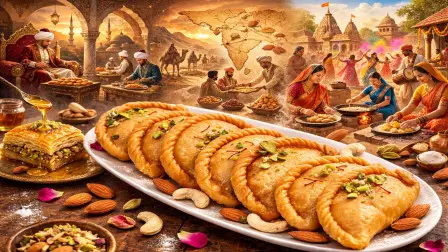
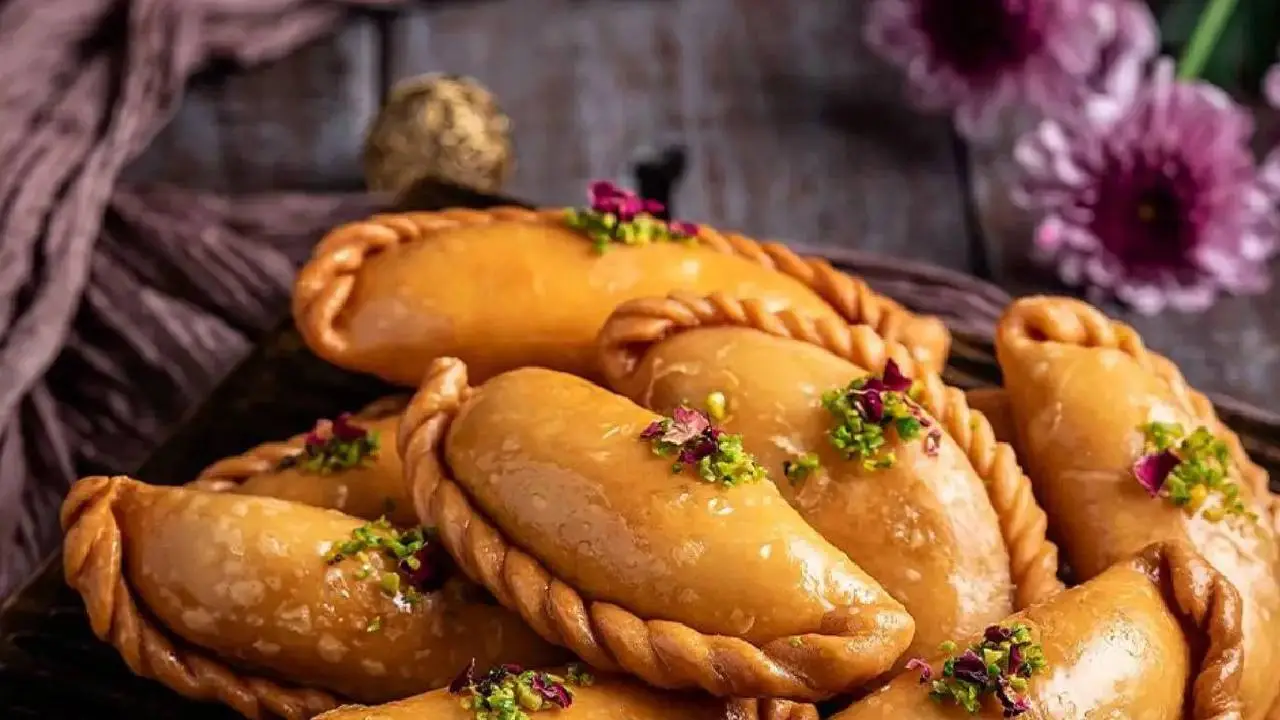
Some historians link gujiya’s concept to Turkey’s famous dessert baklava. Baklava is a layered pastry filled with nuts and sweetened with syrup, popular in Ottoman courts. Traders from Central Asia are believed to have brought similar pastry traditions to India. Over time, Indian cooks adapted the idea. Instead of layered sheets, they created folded, half-moon shapes filled with khoya and dry fruits. The transformation blended foreign inspiration with Indian ingredients.
Bundelkhand is often considered the region where gujiya gained prominence. During the medieval period, royal kitchens experimented with stuffed sweets. A round variation known as “Chandrakala” became popular. From Bundelkhand, the sweet spread to Braj, Uttar Pradesh, Madhya Pradesh and Bihar. Historians note that traders adapted pastry techniques using local wheat or millet flour along with khoya. This regional adaptation strengthened gujiya’s Indian identity.
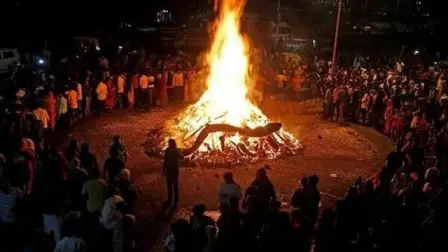
In the 16th century, gujiya became associated with temple offerings in Braj, especially during Holi celebrations. It was included in the traditional “56 Bhog” offerings to Lord Krishna. Temple records suggest it has been prepared there for nearly 500 years. During the Mughal era, the recipe grew richer. Saffron and premium dry fruits enhanced its flavor. The sweet gradually acquired a royal touch.
Gujiya’s form evolved across centuries. In the 13th century, it resembled simple sweet fried dough. By the 15th and 16th centuries, khoya and finely chopped nuts were introduced. The Mughal period added saffron and luxury ingredients. Today, modern versions include chocolate, sugar-free and flavored fillings. Despite innovation, the traditional mava gujiya remains most popular.
As gujiya travelled across India, it adopted regional identities. In Maharashtra and Gujarat, it is called “Karanji,” often filled with coconut and jaggery. In Bihar and Jharkhand, it is known as “Pedakiya,” made with semolina and khoya. In Karnataka, “Karjikai” includes poppy seeds and coconut. Each variation reflects local taste and ingredients. Yet the essence of a stuffed festive pastry remains unchanged.
Whether its inspiration came from Turkish courts or Indian royal kitchens, gujiya today represents centuries of shared culinary heritage. With every bite during Holi, families celebrate not just sweetness, but a tradition passed down through generations.





Copyright © 2026 Top Indian News